

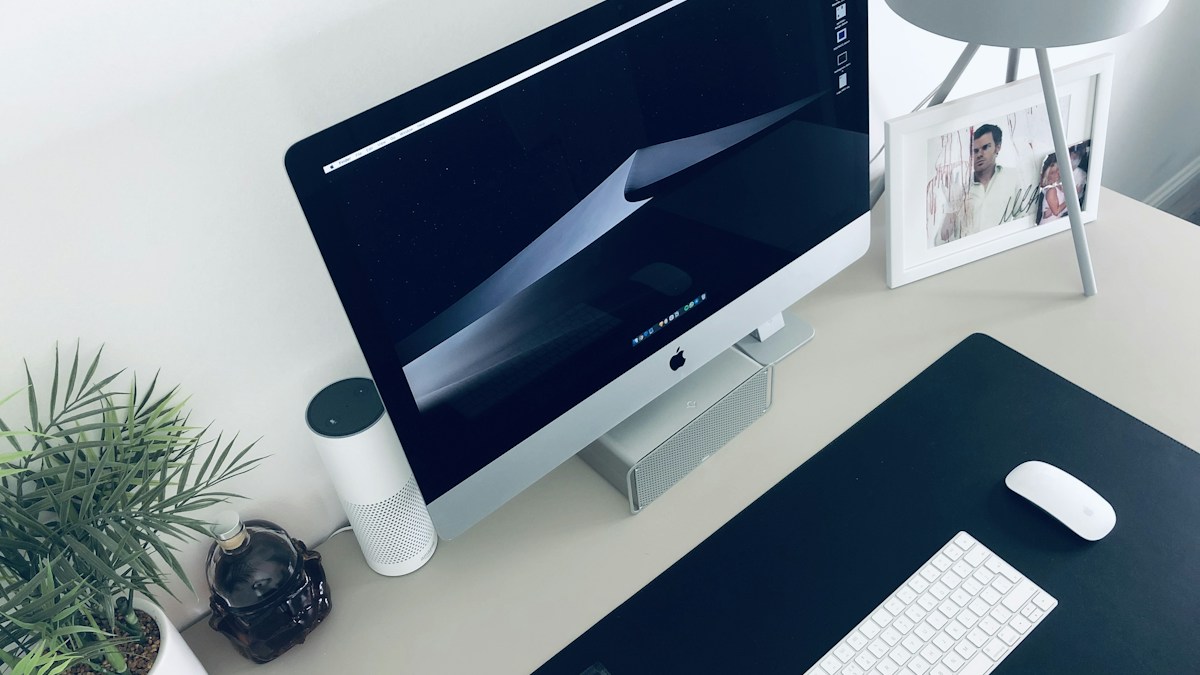
Biological chronobiology: how spectrum-tuned workstation lighting prevents insomnia, stabilizes hormonal cycles, and protects eye health for nocturnal professionals.
Melanopic Lux and the Chronobiological Clock
Human neurobiology evolved under the dynamic spectrum of natural solar radiation. The master circadian pacemaker—the suprachiasmatic nucleus—is directly entrained by intrinsically photosensitive retinal ganglion cells (ipRGCs). These cells do not contribute directly to conscious sight; rather, they calculate equivalent melanopic lux (EML). Exposing ipRGCs to high EML blue-cyan wavelengths at 1:00 AM severely halts pineal gland melatonin production, impairing metabolic recovery and cardiovascular rest.
Night Shift Optimization: Strategic Spectrum Scheduling
For night-shift developers, cybersecurity analysts, and healthcare telemetry monitors, staying awake is essential, but sleep quality upon completing the shift at 7:00 AM is equally critical. Ergonomic lighting protocols recommend running neutral 4000K light during the active shift core (midnight to 4:00 AM), transitioning to warm 2700K amber during the final 90 minutes of the shift to initiate gradual melatonin ramp-up.
Preventing Pupil Strain in Pitch-Black Office Environments
Working at a bright computer in a completely dark room forces the iris sphincter and dilator muscles into continuous antagonistic fatigue. A monitor light bar paired with soft rear bias illumination provides localized task clarity on notes and hardware keys while preventing painful dark-adaptation contrast shocks when glancing away from the display.
Technical Specifications & Engineering Matrix
| Shift Period | Color Temperature | Desk Lux Level | Biological Objective | Visual Comfort Metric |
|---|---|---|---|---|
| Early Shift (22:00 – 01:00) | 4200K Neutral White | 400 – 450 Lux | Maintain Cognitive Vigilance & Reaction Speed | Balanced Text Sharpness |
| Mid Shift (01:00 – 04:00) | 3800K Mild Warm | 350 – 400 Lux | Sustain Focus while Mitigating Eye Strain | Comfortable Code Contrast |
| Late Shift (04:00 – 06:00) | 3200K Warm White | 300 Lux | Gradual Nervous System Softening | Reduced Glare Intensity |
| Shift Wind-Down (06:00 – 07:00) | 2700K Deep Amber | 200 – 250 Lux | Enable Melatonin Synthesis for Post-Shift Sleep | Soft Relaxing Luminescence |
💡 Expert Field Recommendation
If working late shifts, invest in a light bar featuring independent rear ambient lighting; running the rear ambient glow on warm 2700K while keeping task light at 3500K provides the ultimate comfort balance.
Diagnostic Troubleshooting Checklist
- Severe Insomnia After Midnight Computer Sessions: Light bar is emitting high-energy 6000K blue wavelengths late at night; dial Kelvin down to 2700K and reduce overall brightness to under 300 lux.
- Struggling to Stay Awake During 3:00 AM Shift Dip: Temporarily boost task lighting to 4500K and 500 lux for 30 minutes to stimulate an alertness cortisol response, then taper back down.
- Severe Glare When Looking from Monitor to Paper Notes: Illuminance contrast ratio between screen and paperwork is too wide; brighten the light bar until paper whiteness matches screen background luminance.
Frequently Asked Questions
Does amber 2700K lighting distort code syntax highlighting?
High-CRI (Ra > 95) warm lighting preserves color discrimination accurately, allowing developers to distinguish syntax colors without eye fatigue.
Is blue-blocking computer eyewear still necessary if I use a light bar?
A tunable warm light bar reduces ambient blue exposure across your entire desk field, reducing or eliminating the need for tinted blue-blocking glasses.
Can night shift workers use auto-dimming features effectively?
Yes; auto-dimming ensures desk task light automatically softens as artificial room lights are turned down for night operations.
Article researched, lab-tested, and verified by Arlo Chen, dedicated technical specialist and editorial contributor.